
The success of a Rwandan travel itinerary depends on timing. Seasonal rainfall, wildlife behaviour, and permit access define what is possible and when.
Rwanda sits just south of the equator. Its annual cycle includes two dry periods and two rainy seasons. That rhythm affects gorilla tracking, chimpanzee sightings, and overland mobility.
Permits for Volcanoes National Park are capped at 96 per day. During peak months, they sell out weeks in advance. Similarly, high-altitude lodges in Musanze and Kinigi offer similar experiences.
Moreover, rainfall patterns vary across regions. The western forests around Nyungwe receive over 2,000 mm annually. In contrast, the eastern lowlands near Akagera are far drier.
Festivals follow a different logic: historical anniversaries, agricultural cycles, or conservation calendars. Kwita Izina, for example, always takes place in early September.
If you’re planning to visit Rwanda, coordinate group tours, build conservation programs, or plan a multi-park trip, the calendar isn’t just useful. It’s operationally critical.
One note before we start: Rwanda has no “bad” time to visit. But each window offers different access levels, visibility conditions, and price points.
Understanding Rwanda’s Climate
Rwanda’s climate is classified as subtropical highland. Elevation controls temperature far more than latitude. Most regions sit between 1,500 and 2,000 meters above sea level.
Average daytime temperatures range from 20°C to 27°C, depending on altitude. Nights are cooler but rarely fall below 10°C except at high elevations.
The country follows a bimodal rainfall pattern. Two rainy seasons alternate with two dry ones across most of the territory. The long rains arrive from March through May. A second, shorter rainy period typically begins in mid-October and continues into December.
June through September form the primary dry season. It is the most meteorologically stable period, with low humidity and minimal cloud cover. The short dry season occurs from late December through February. Showers still happen, particularly in the western uplands, but usually clear by midday.
Rainfall distribution is uneven. The western region, including the Albertine Rift, receives over 2,000 mm annually. The eastern lowlands average closer to 800 mm. Besides rainfall, humidity also shifts by region. Montane zones are cooler and damper. Low-lying districts near the Akagera basin feel hotter and closer.
Morning fog is common in highland forest zones. In some months, that fog lifts slowly, delaying flights, driving, and survey work.
If you’re working on field-based logistics or itinerary timing, understanding this seasonal structure is essential. Conditions change predictably, but not always conveniently.
A. Best Time to Visit for Wildlife Sightings
Dry seasons create the most favourable conditions for observing Rwanda’s flagship species. Visibility improves. Trails hold firm. Movement patterns become more predictable.
Gorilla Tracking: Volcanoes National Park
Gorillas can be tracked in all seasons, but the dry months offer the most reliable field conditions. These periods are from June to September and again from mid-December to February.
Trails remain firm. Underbrush is thinner. Rain is infrequent, reducing the likelihood of delayed starts or visibility loss.
Tracking takes place within the Virunga Massif, where elevations exceed 2,500 meters. Morning departures begin at the park headquarters in Kinigi, typically by 7:00 AM.
Each day, 12 habituated gorilla families are available for tracking. Visitor access is limited to 8 people per group. Total daily permits: 96.
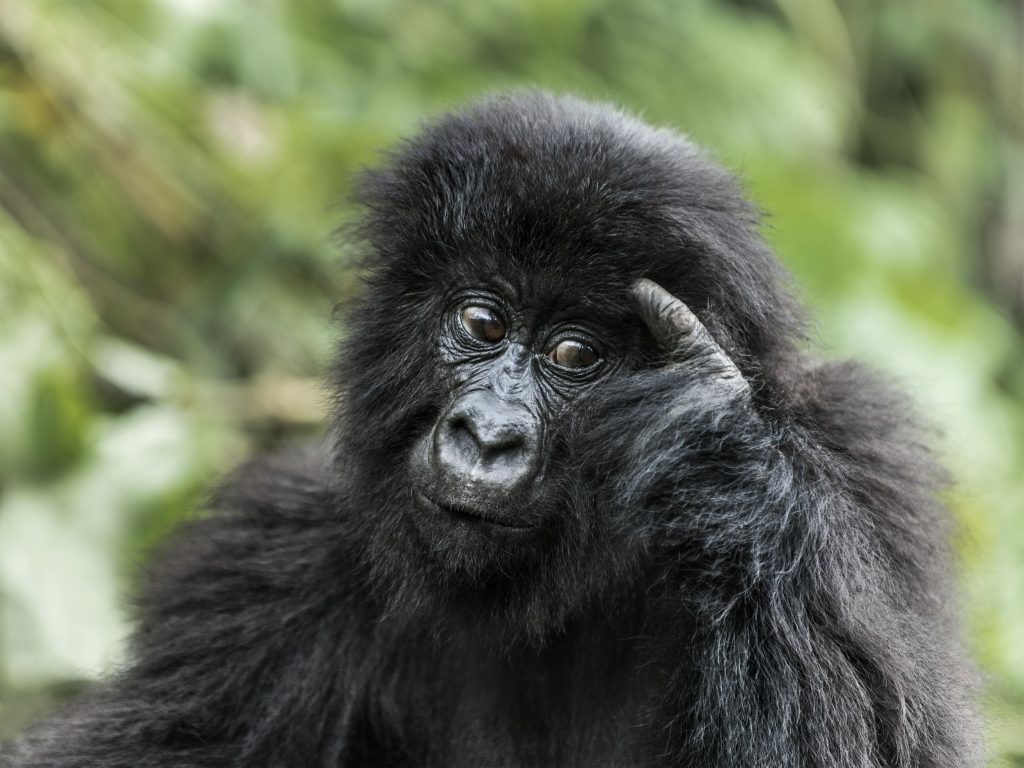
Groups often range between 45 minutes and 3 hours from the trailhead. During the rainy seasons—March to May, and October to mid-December—those distances can lengthen.
Besides the trail conditions, photography is easier in the dry months. Direct light penetrates the canopy, and mist disperses more quickly.
Permit costs are fixed at USD 1,500 per person. Bookings should be confirmed 6 to 12 months in advance for dry-season dates.
Chimpanzee Tracking: Nyungwe and Gishwati-Mukura
Chimpanzees in Nyungwe Forest display more surface activity during the wet seasons. March through May, and again in October and November, are high-activity months.
Fruit abundance during these periods draws chimps closer to lower elevations. Vocalisations increase. Group cohesion tightens. Guides report more visual contact during this time.
However, the forest becomes less accessible. Nyungwe receives over 2,000 mm of annual rainfall, mostly concentrated in the March–May window. Slopes become slippery. Trackers rely heavily on machete-cleared routes.
The dry season, while easier on logistics, often reduces encounter frequency. Chimps range wider and stay higher in the canopy.
Gishwati-Mukura, reopened for tourism in 2021, follows similar seasonal patterns. It receives less rainfall but has denser ground cover. Wet-season tracking requires greater field conditioning.
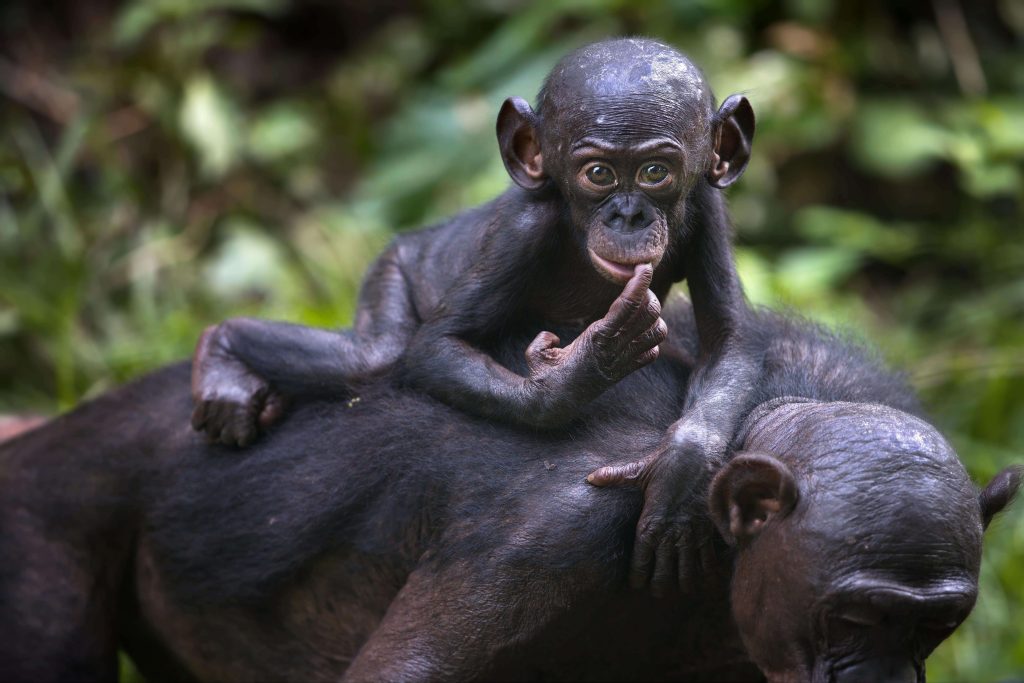
Permit fees are lower than for gorillas: currently USD 90 for foreign non-residents in Nyungwe. Sessions begin at sunrise from Uwinka Reception Centre.
General Safari Visibility: Akagera National Park
Akagera’s visibility window aligns with the long dry season: June to September. During these months, vegetation recedes and wildlife concentrates near remaining water sources.
Lions and hyenas favour early mornings. Elephants tend to appear in the southern savannah zones from July onward. Antelope species cluster around the lakeshores.
Akagera’s eastern zone supports plains game and predators. The west is more wooded. Sightlines improve across the entire park during the dry period.
Boat safaris on Lake Ihema are best between late June and early October. That’s when hippos, crocodiles, and waterbirds are more exposed at the shoreline.
Driving conditions also improve. Roads are less affected by erosion, and river crossings stabilise. In the rainy months, especially April, sections of the northern loop may close without warning.
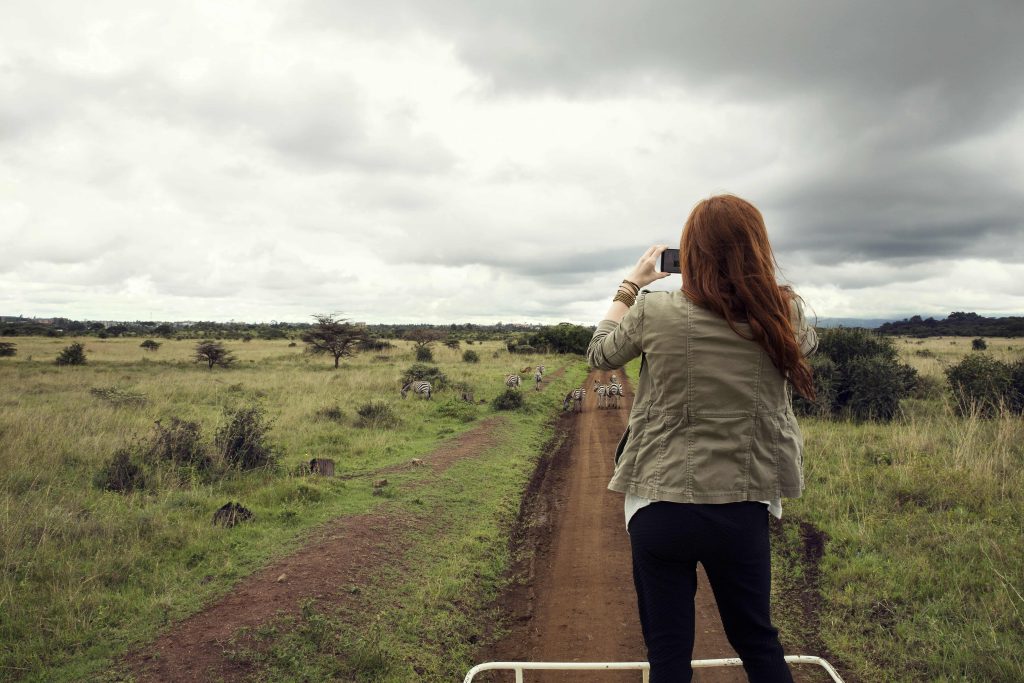
Self-driving vehicles must carry spare tires and recovery gear year-round. The park does not guarantee rapid roadside assistance.
Logistics and Permits: Timing Implications
Permit caps exist for gorilla and chimpanzee tracking. Dry-season demand drives booking windows of 6 months or more, particularly from June through September.
While Akagera has no permit ceiling, high-end lodges fill up fast. Helicopter transfers, used increasingly by high-net clients, also require lead time due to limited rotorcraft availability.
Field teams should consider trail degradation, especially for Nyungwe operations in April and November. Pack weight increases. Local guides may cut alternative paths on the spot.
If you need uninterrupted movement, schedule for the long dry stretch. If your priority is behavioural observation, particularly of primates, then rainy months bring heightened activity.
B. Rwanda’s Festival Calendar
Rwanda’s annual festival calendar is anchored in cultural history, conservation messaging, and creative arts. Dates vary slightly each year but follow consistent seasonal placement.
Kwita Izina: Gorilla Naming Ceremony
Held in early September, Kwita Izina is Rwanda’s signature conservation event. The ceremony publicly names infant gorillas born in Volcanoes National Park over the past year.
The event draws government officials, conservation partners, international donors, and selected tourism operators. Participation is by invitation for the official ceremony, but public celebrations occur in Musanze town.
Kwita Izina event supports national identity, branding and community involvement. It also serves as a platform for policy announcements and stakeholder networking. Plan to be on-site at least two days in advance.
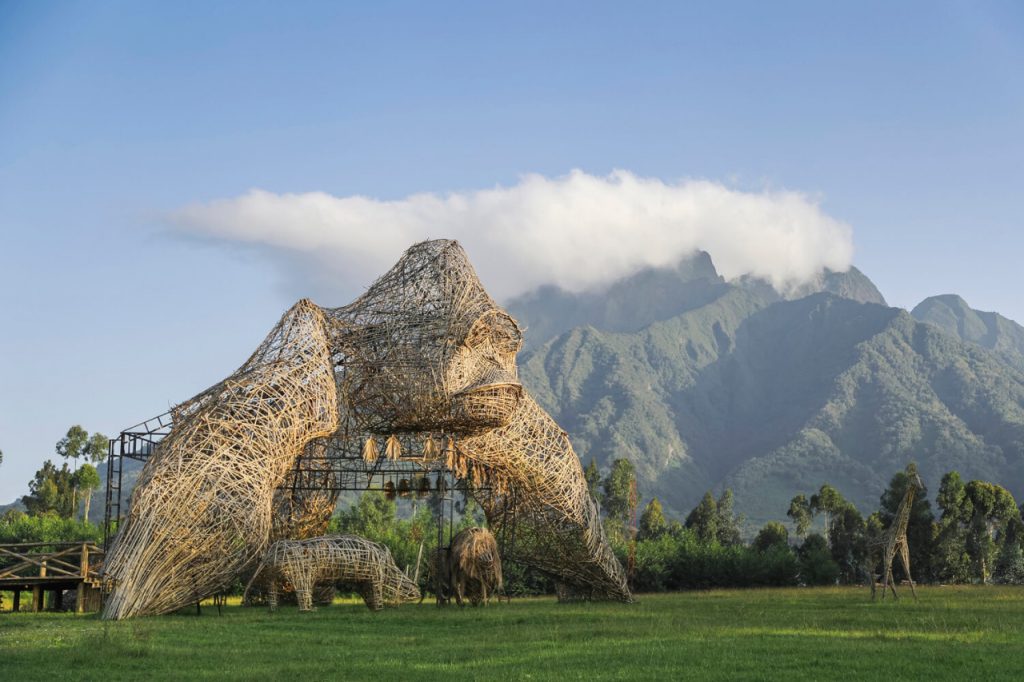
Umuganura: National Harvest Day
Umuganura is a pre-colonial ceremony reinstated as a national holiday that is usually observed in early August. It honours agricultural rituals, community cooperation, and traditional leadership.
Events take place at both the national and village levels. Some regions host dance, drumming, or ceremonial meals. Others mark the occasion with quiet local observance.
If you schedule site visits or village tours in early August, be aware that some services may pause. Staff may attend local Umuganura events instead.
Kigali Up! Music Festival
Usually held in July, this multi-day music festival showcases Rwandan and international talent. The lineup spans Afrobeat, reggae, funk, and electronic sets.
It takes place in open-air venues within Kigali. While primarily youth-oriented, it draws a wide demographic mix. Tickets are available to the general public, with some VIP sections.
Besides the main stage performances, the festival includes food vendors, art stalls, and short talks on music-related topics. For international guests, accommodations in central Kigali book out early.
Rwanda Film Festival (Hillywood)
The Rwanda Film Festival typically runs in July or August. It includes screenings in Kigali and rural areas using mobile projection systems, hence the nickname “Hillywood.”
The event features regional cinema, international documentaries, and films focused on social impact. Screenings are often free and open to local communities.
Hillywood provides strong programming for cultural tourism providers, especially for visitors interested in East African cinema or post-conflict narratives.
Liberation Day and Commemoration Periods
July 4 marks Liberation Day, tied to the end of the 1994 genocide. It follows a 100-day national commemoration period that starts on April 7.
During these periods, certain entertainment events are paused, and the tone of public activity shifts. Commemorative events may affect museum hours or public gatherings.
If you’re curating experiences during these dates, plan for reflection-based programming. Avoid scheduling live music or celebration-focused events during April.
Month-by-Month Travel Breakdown
January: Short dry season. Favourable for gorilla tracking and chimpanzee viewing. Forests remain navigable. Some cloud buildup occurs in western parks by late afternoon.
February: Continues dry conditions. Trails hold up well. Bookings for Volcanoes and Akagera should already be locked. Expect sporadic showers in Nyungwe and Gishwati.
March: Start of the long rains. Accessibility declines in upland parks. Chimpanzee activity spikes in Nyungwe. Few tourists. Lodge rates drop in most regions.
April: Peak rainfall. Field movement slows. Some trails were rerouted. Forests reach peak density. Sound carries well, good for vocalisation tracking, but hard for photography.
May: Rains taper off by mid-month. Conditions stabilise. Still quiet across the lodges. Vegetation remains thick, but primate visibility improves slightly in late May.
June: Start of the long dry season. High visibility in all parks. Safari conditions are optimal. Begin early for predator movement in Akagera. Peak gorilla demand begins.
July: Consistently dry. Clear mornings. Good for photography and extended treks. Kigali Up! and Hillywood bring cultural programming into the capital.
August: Dry season continues. Umuganura takes place nationwide. Local travel slows during this period. Gorilla permits are often fully booked by this point.
September: Dry season ends mid-month. Kwita Izina draws visitors to Musanze. Some showers begin late in the month, especially near the Virunga ridge.
October: Short rains return. Conditions shift quickly. Trails become muddy. Waterbirds and seasonal amphibians increase activity. Consider this a transitional planning month.
November: Rain continues. Fewer visitors. Good month for low-cost site inspections or off-season photography. Primates in Nyungwe remain highly active and vocal.
December: Short dry season begins around mid-month. Good window for safaris and gorilla tracking. Holiday bookings raise prices in Kigali and park-adjacent lodges.
Budget and Crowds: Peak vs Off-Peak Seasons
Dry-season demand drives pricing across Rwanda’s tourism supply chain. That includes park permits, lodge rates, air transfers, and guide fees.
June through September, and again mid-December to February, form the peak window. These months align with international holiday calendars and stable weather.
Permit allocations sell out months ahead. Gorilla tracking is most affected. Operators often manage waitlists or reallocate cancellations last minute.
Lodges apply yield-based pricing models during these months. Expect double occupancy starting above USD 700 per night in premium properties near Volcanoes or Akagera.
Besides rate increases, availability tightens. Charter flights, driver-guides, and exclusive-use vehicles get booked early. Multi-property itineraries require cross-vendor coordination.
In addition, site access becomes more crowded. Trekking groups depart simultaneously. Game-viewing areas in Akagera concentrate vehicle traffic along core loops.
Off-peak periods—March to May and mid-October to early December—see lighter movement. Some properties close for maintenance in April or November, especially in high-rainfall zones.
Pricing drops during these windows. In some cases, nightly rates decrease by 30 to 40 per cent, especially for direct bookings or extended stays.
If you’re balancing budget against experience quality, consider edge months. Early June or late November still offer access with less congestion.
Also, weather patterns aren’t absolute. Rwanda’s altitude creates microclimates. An early-season booking isn’t necessarily compromised.
Plan well, and the value holds steady, even when the calendar shifts a bit.
Final Tips for Planning
- Secure gorilla permits first.
All other components—lodging, transfers, domestic flights—should be scheduled around the confirmed tracking date. - Use official channels.
Gorilla and chimpanzee permits are issued by the Rwanda Development Board. Work through licensed operators or book directly with full prepayment. - Include buffer days.
Road conditions can shift quickly, especially in upland areas. Avoid back-to-back treks or tight transfers between regions. - Prioritise early starts.
Wildlife tracking, domestic flights, and road travel all function more efficiently in the morning. Visibility also declines in the afternoon, especially in western zones. - Pack by function, not fashion.
Essentials include water-resistant hiking boots, neutral-toned layers, waterproof bags, gaiters, and light technical clothing for humid zones. - Account for altitude.
Kigali sits at 1,600 meters. Volcanoes National Park exceeds 2,500 meters. Schedule downtime at the beginning of the trip to adjust. - Don’t over-program guests.
Treks are physically demanding. Leave unscheduled time for rest, informal interpretation, or recovery between activities. - Centralised coordination.
Use one logistics lead for transport, permits, and communications. Disconnected booking sources can result in misaligned schedules or duplicate charges. - Stay adaptive.
Conditions change. Trail closures, weather shifts, or internal flight delays may force last-minute revisions. Build flexibility into the itinerary from the start
Plan with Confidence, Book with us
Rwanda rewards those who plan precisely and think ahead. Whether you’re organising a gorilla trek, safari circuit, or multi-stop itinerary, timing is the operational key.
For direct consultation, itinerary design, or secure permit booking, connect with us, INMERSIÓN AFRICA JOURNEYS, a ground-based operator specialising in conservation-led travel across Rwanda and the region.